THE TURQUOISE STORY
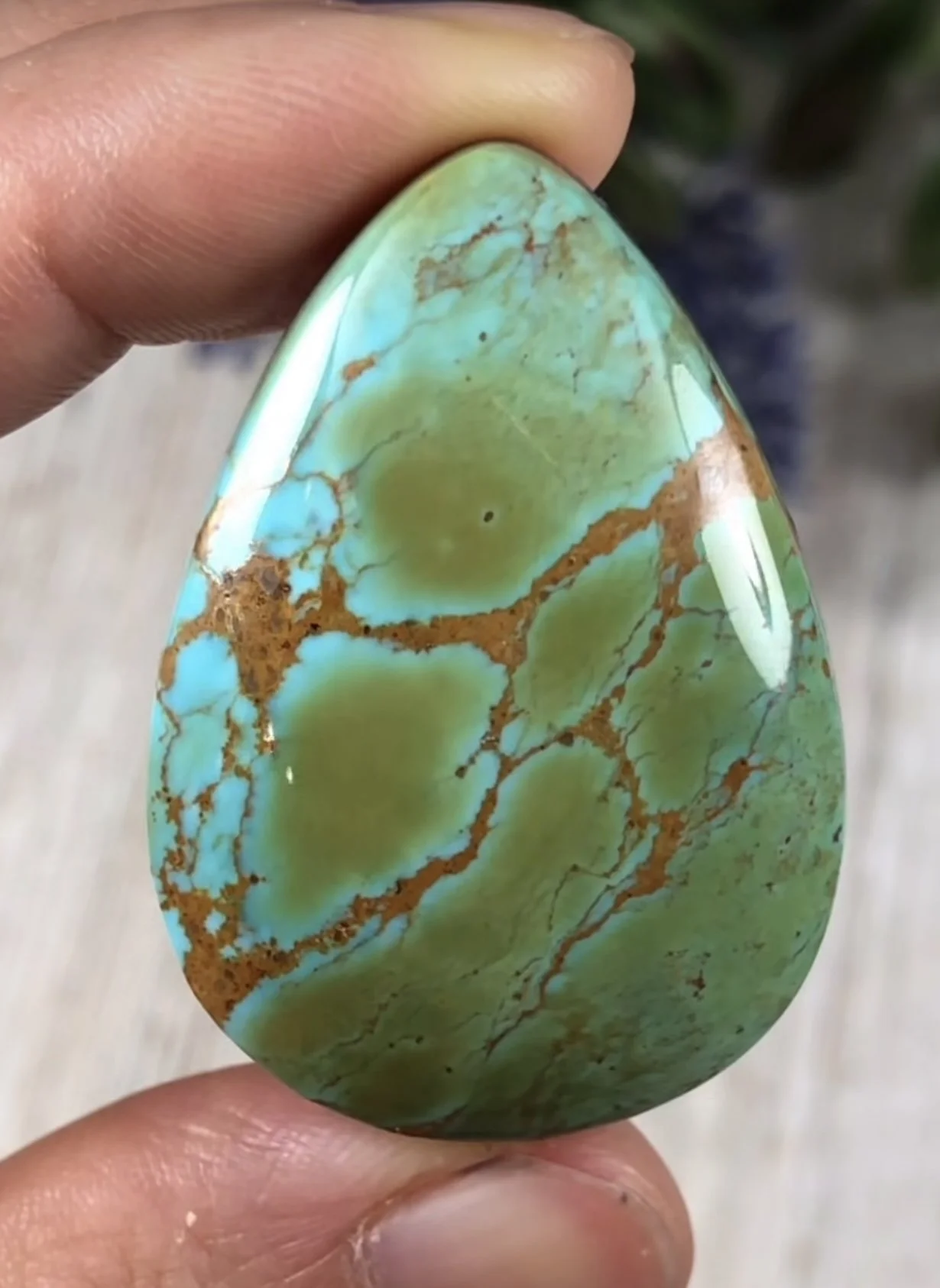
Turquoise is one of the oldest gemstones known to humankind, treasured for thousands of years for its distinctive blue and green colors. Ancient civilizations, including the Native peoples of North America have valued turquoise for its beauty and cultural significance.
In the American Southwest, turquoise has a particularly rich history. Indigenous people have mine and worked with the stone for centuries, incorporating it into jewelry, ceremonial pieces, and object of personal significance.
HOW NATURE CREATES TURQUOISE
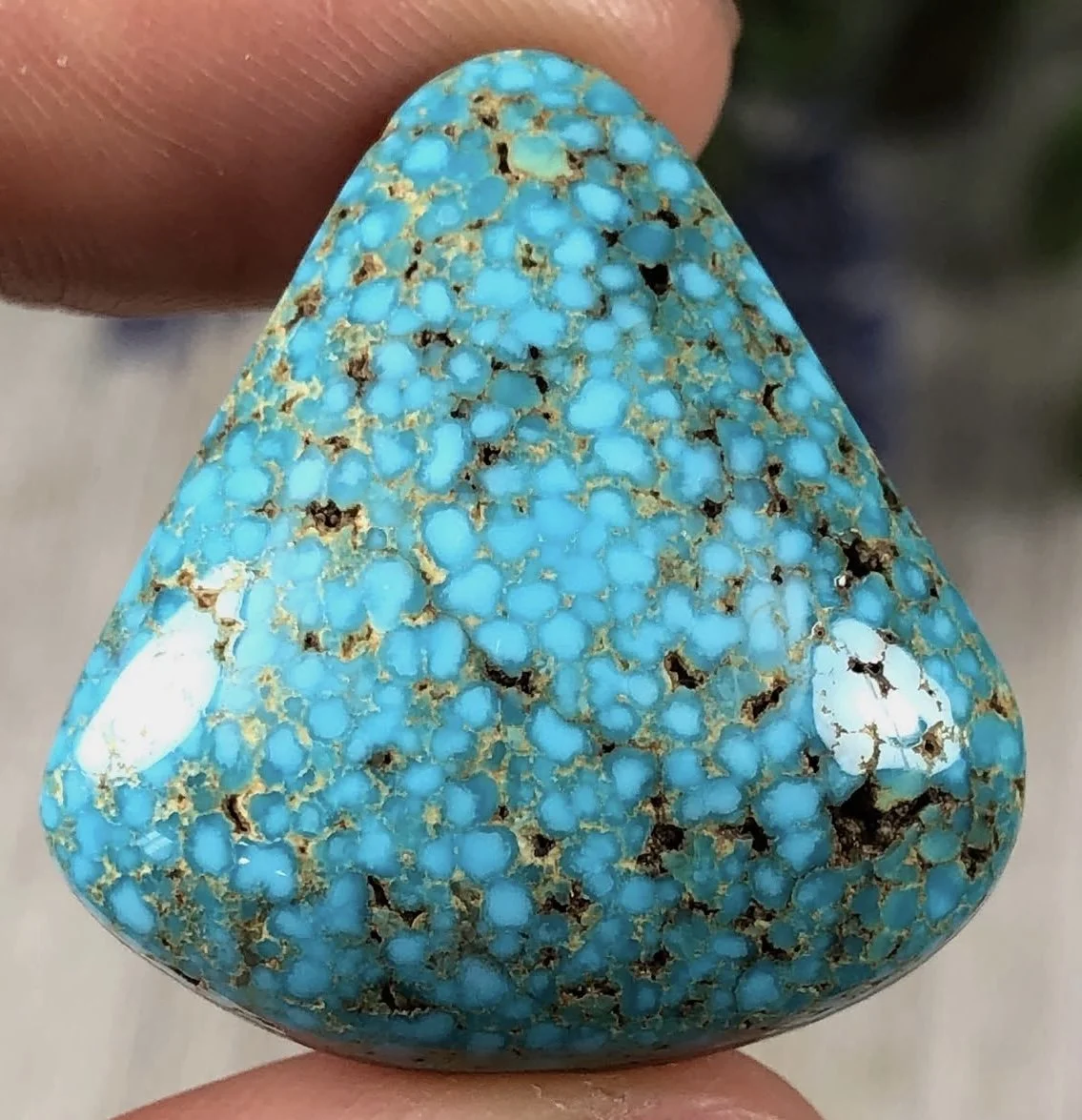
Turquoise forms over millions of years beneath the Earth’s surface through a remarkable natural process. When rainwater seeps into the ground, it travels through rocks containing copper, aluminum, and phosphorus. As the water moves through these rocks, it dissolves and carries mineral into cracks and crevices.
Under the right conditions, these minerals combine and crystallize, slowly forming the beautiful blue and green gemstone we know as turquoise.
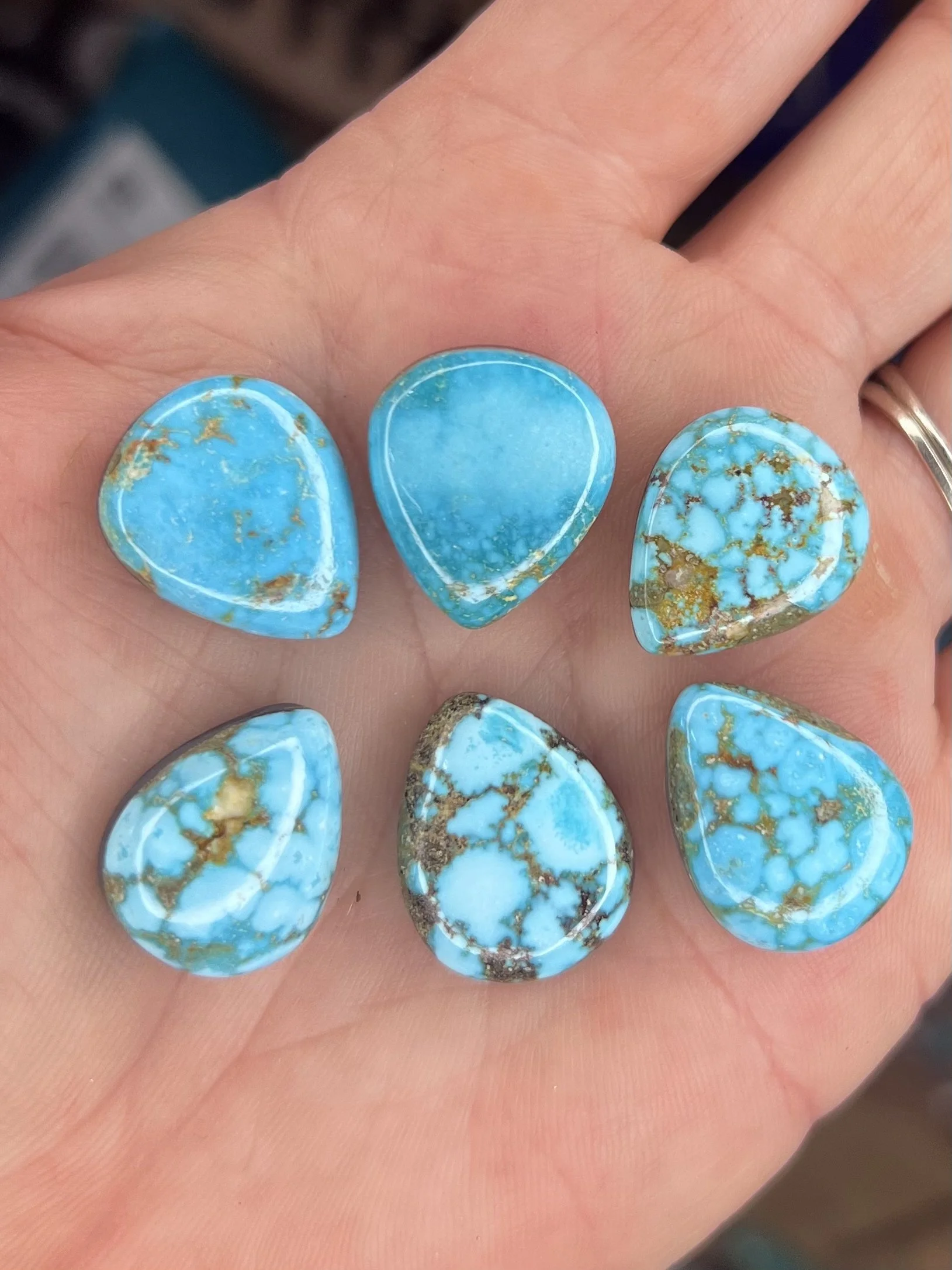
Copper is responsible for turquoise’s signature blue color, while iron can contribute to its greener shades. The surrounding host rock can create the intricate veins and patterns known as the matrix, giving every stone its own unique character.
Every Stone Has a Story
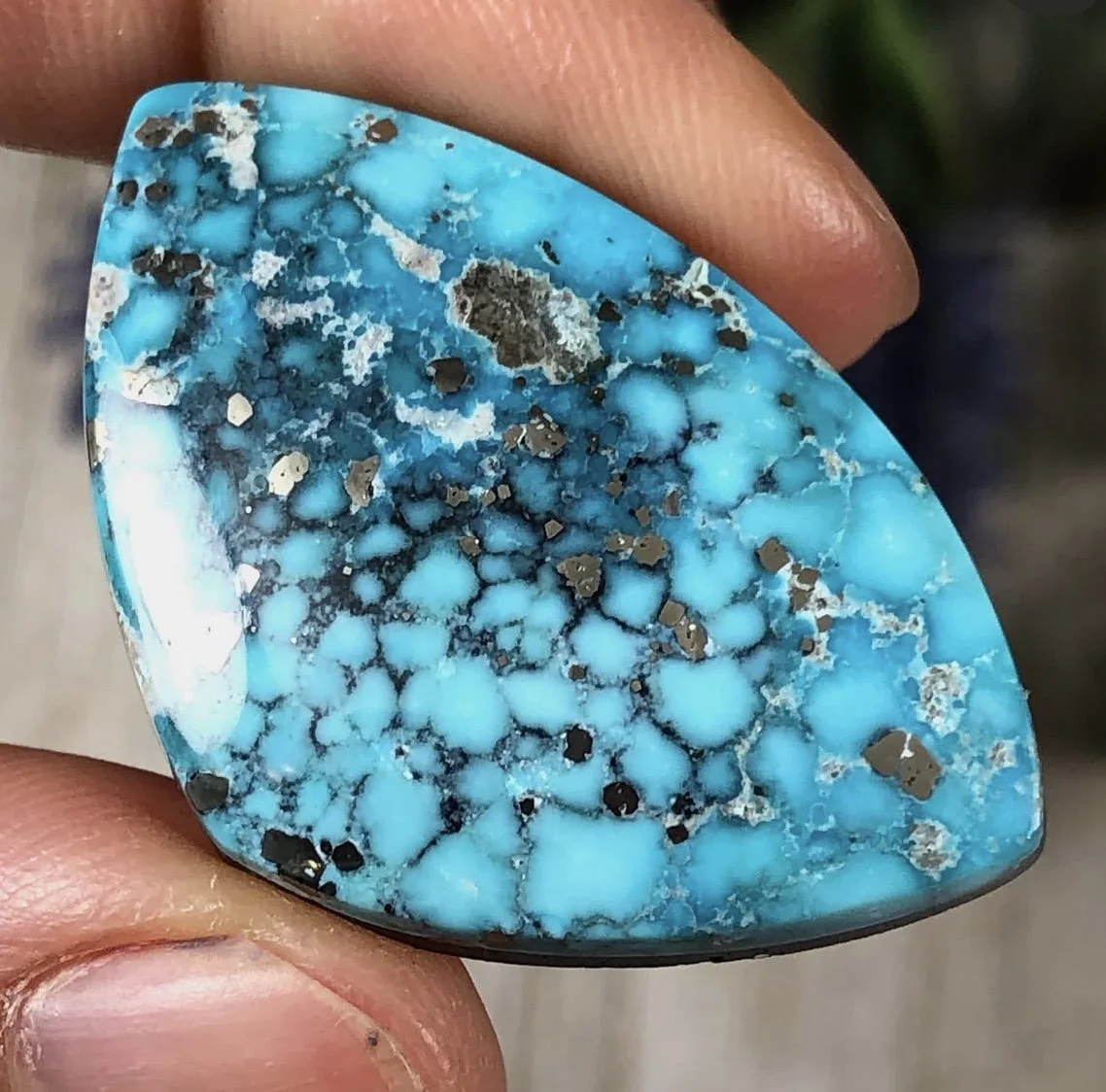
No two pieces of turquoise are exactly alike, even if they come from the same mine. Each carries the colors, patterns and characteristics of the earth in which it formed. What began as minerals deep within the ground becomes a one-of-a-kind treasure, shaped by nature and brought to life by the hands of an artisan.